Need termite treatment in Los Gatos?
Tell us about your pest problem and we will route your request to a local provider in our network. Compare the estimate, then decide with no obligation.
No obligation
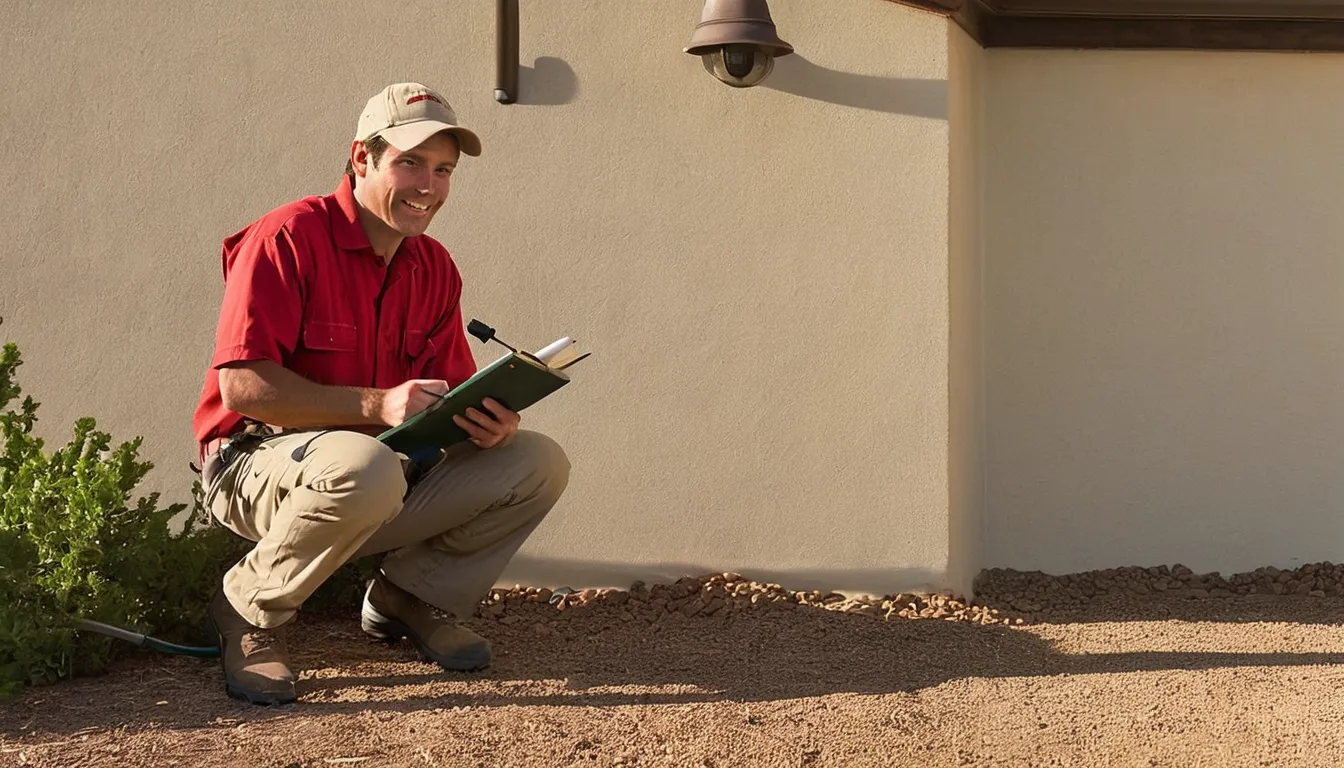
Termites eat wood quietly, often for months before anyone notices. If you see mud tubes, discarded wings or soft, hollow-sounding wood, it is time to get an inspection and a written quote.
Polereferred Pest Control is a referral service, not a pest company. We do not do the inspections or treatments. We connect homeowners in the Los Gatos area with independent local providers in our network. The provider you speak with sets the price, the method and the schedule. Our job is to help you understand what drives the cost, so you can compare quotes calmly and choose without pressure.
First, stay calm. Termites work slowly, so you have time to compare options. But do not ignore the signs for months.
Take a few photos of what you found. Note where it is, such as a garage wall, a window frame or the crawl space. Then ask a local provider for an inspection and a written quote.
Referral, not the provider. That is how this works. Polereferred Pest Control connects you with independent providers in our network. We do not inspect, treat or repair anything.
The provider you talk to does the work. They set the price, the method and the schedule. You decide whether to hire them. There is no obligation to move forward.
Termites feed on the cellulose in wood. A small colony can grow over time. Repairs usually cost more than treatment, so catching them early helps your budget.
In the damage stage, you may pay twice: once to treat and once to replace wood. Treating sooner can mean fewer boards to swap out.
Look for these clues around your home:
One sign is a reason to ask for an inspection. It does not always mean a big problem.
In many dry-climate areas, homes are stucco ranch houses on slabs or raised foundations. Both can hide termite activity. Slab homes may have tubes behind trim or in garage corners. Raised foundations have crawl spaces where moisture gathers.
Older bungalows and 1950s to 1980s tract homes often have decades of wood-to-soil contact and small gaps. A provider can look in the spots you cannot easily see.
The type matters because it changes the method and the price.
These live in soil and travel through mud tubes. They are common and usually treated with a liquid barrier or bait stations around the home.
These live inside the wood itself and need no soil contact. Treatment may be local, targeting one area, or whole-structure, such as tenting. Whole-structure work costs more.
These prefer wet or rotting wood. Fixing the moisture source is often part of the plan.
Most visits start with an inspection. The provider checks the foundation, attic, crawl space and any wood near soil. Then they explain what they found and how they would treat it.
Common methods include liquid soil treatments, bait stations, spot treatments and fumigation. The right choice depends on the termite type and how far it has spread.
Several things move the number up or down:
Ask providers to list these items in the quote.
Get at least two written quotes if you can. Make sure each one names the termite type, the method, the areas covered and the price.
A lower price is not a better deal if it covers less. Compare what is included, not just the total. Take your time. No one at Polereferred Pest Control will pressure you.
Buyers and lenders often ask for a termite report. The inspection looks for active signs and past damage. If it finds activity, you may need treatment before closing.
Ask the provider what the report covers and how long it stays valid. Costs for a basic inspection are usually much lower than treatment itself.
Check these items before you agree:
You can verify licenses with your state's regulator. Ask about this directly.
Clear access to the foundation, garage walls and crawl-space entrances. Move stored boxes away from walls. Share your photos and notes. Mention any past leaks or earlier treatment.
Follow the provider's instructions for re-entry, pets and watering. Do not disturb treated soil or bait stations.
Expect to see some activity for a short time. Ask when to schedule a follow-up inspection. Fix leaks, keep wood away from soil and keep vents clear to lower the odds of a return.
Many homeowner policies do not cover termite damage, since it is often seen as a maintenance issue. Check your policy. Providers can often help document damage if you need to file a claim.
A provider looks at foundation, attic and crawl space, then explains what they found and where.
Ask for an itemized quote that names the method, the areas covered and the price.
Options may include soil barriers, bait stations, spot work or whole-structure treatment.
Many providers offer re-checks or yearly monitoring plans. Ask what is included and what costs extra.
These are typical U.S. ranges. Your price depends on home size, termite type and method. Get a written quote from each provider and compare what is included.
| Service | Typical range | Notes |
|---|---|---|
| Termite inspection | $75 – $300 | Some providers bundle it with treatment |
| Spot treatment | $250 – $900 | For small, local drywood activity |
| Liquid soil barrier | $1,200 – $3,500 | Depends on the length of your foundation |
| Bait station system | $1,500 – $3,500 | Often includes monitoring visits |
| Whole-structure fumigation | $1,500 – $4,000+ | Larger homes cost more |
| Yearly monitoring plan | $200 – $600 per year | Terms and coverage vary |
Tell us what you saw and where. Request a callback or use the estimate request form.
We route your request to a local provider in our network.
The provider inspects and gives a written quote. Compare it with others.
Hire the provider you prefer, or decline. There is no obligation.
We connect you with independent providers. They do the work. We never pretend otherwise.
Learn what drives the cost of termite work so quotes make more sense to you.
Compare options at your pace. Asking for a written quote is normal and expected.
Providers in our network serve homes in the Los Gatos area.
Tell us about your pest problem and we will route your request to a local provider in our network. Compare the estimate, then decide with no obligation.
Typical U.S. costs run from a few hundred dollars for spot work to several thousand for whole-home treatment. Home size, termite type and method change the price, so get a written quote.
Termites have thick waists and straight antennae. Flying ants have pinched waists and bent antennae. Mud tubes and hollow wood point to termites. A provider can confirm what you have during an inspection.
Many policies exclude termite damage, but terms vary. Check your policy or ask your insurer. Providers can often help document damage if you decide to file a claim.
Tell us about your pest problem and we will route your request to a local provider in our network. Compare the estimate, then decide with no obligation.
No obligation